Places to Visit in The Philippines

1. Palawan

If you have the unfortunate dilemma of choosing only one place to visit in the Philippines, Palawan should be at the top of your list. You came to the country to see spectacular beaches and islands. You are going to experience the best in Palawan!

Where to stayTours + discounts

Destinations + tourist spots

Puerto Princesa

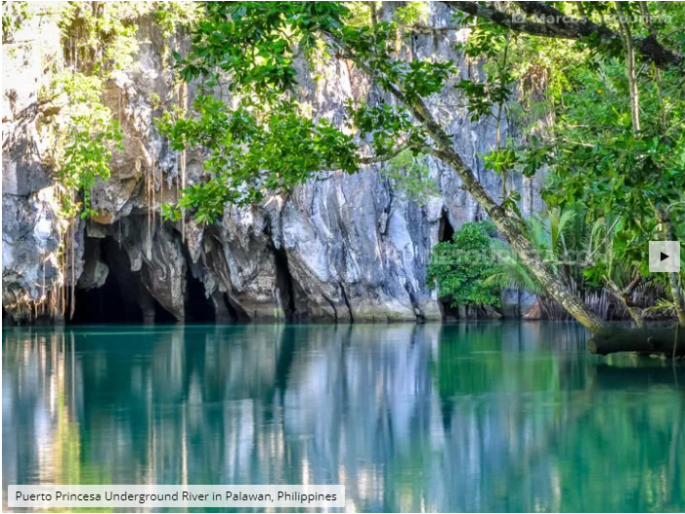
Puerto Princesa Underground River in Palawan, Philippines

Puerto Princesa Underground River in Palawan, Philippines

Most travelers arrive in Palawan by way of Puerto Princesa. Known as the “City in a Forest,” Puerto Princesa is not only the island’s busiest gateway, it’s home to many remarkable attractions. Don’t miss the Puerto Princesa Underground River (a UNESCO World Heritage Site and the longest navigable underground river in the World), island hopping trips to Honda Bay, and a tour around the city.

How to go — Touchdown at Puerto Princesa International Airport (PPS). Major airlines including Cebu Pacific, Philippine Airlines & AirAsia serve direct flights from Manila, Cebu, Iloilo & Clark. Travel time from Manila to Puerto Princesa is around 1h30m by plane.

Where to stayTours + discounts

El Nido

Secret Lagoon Beach in Miniloc Island, El Nido, Palawan, Philipp

Secret Lagoon Beach in El Nido, Palawan

This is one of my favorite places to go in the Philippines for dramatic “over the water” views. El Nido is blessed with gorgeous off-shore islands, soaring limestone cliffs, hidden beaches, and secret lagoons. The “SEAnery” here rivals popular destinations in Asia like Ha Long Bay and the Phi Phi islands.

How to go — Most travelers arrive in El Nido by flying to Puerto Princesa Airport and traveling by land to El Nido. Travel time is around 5-6 hours. If you want to skip the long land journey, you can also fly directly to El Nido Airport.

Coron

Coron in Palawan, Philippines

Coron in Palawan, Philippines

Located farther north of El Nido, Coron is also popular for pristine lagoons and white-sand beaches. The views underwater are just a beautiful too! Go here for shipwreck diving, sprawling coral gardens, and great snorkeling.

How to go — Touchdown at Coron-Busuanga Airport, which serves direct flights from Cebu, Clark, and Manila.

More reasons to visit Palawan

Off-beat island hopping in Balabac, San Vicente/Port Barton, Taytay, and Quezon (Tabon Caves).

Remote island chains and great diving unchartered by tourist crowds in Tubattaha reefs (a UNESCO World Heritage Site in Cagayancillo), Linapacan, Cuyo, and Spratly’s Islands (Kalayaan Islands).

Luxury island resorts including Amanpulo, El Nido Resorts, and Dos Palmas Resort.

2. Cebu

Marcos at Osmeña Peak, in Dalaguete, Cebu

Marcos at Osmeña Peak, Cebu

Cebu is the Philippines #1 most visited tourist destination thanks to its strategic location in Central Philippines, well-connected flight/ferry network and diverse set of attractions. When in Cebu, visit the old Spanish-colonial heritages sites, beaches and waterfalls scattered throughout the province and nearby islands. Don’t leave without getting a taste of the local cuisine, starting with the prized Cebu Lechon!

How to go — Cebu-Mactan International Airport serves direct flights from all major cities in the Philippines as well as international flights from Asia and North America.

Places to see + things to do

Easy-to-reach luxury beach resorts in Mactan Island.

Centuries-old churches and heritage sites.

Among the Philippines’ best white-sand beaches and diving in Malapascua, Bantayan, Moalboal, and Camotes Islands.

Waterfalls & hiking in Badian (Osmena Peak), Samboan, Ginatilan, Badian, Oslob, Barili, and Cebu City’s highlands.

Badian-Kawasan Canyoneering

3. Bohol

Chocolate Hills sunrise view in Carmen, Bohol, Philippines

Sunrise at Bohol Chocolate Hills

Looking for a place to visit near Cebu? Bohol is one of the best destinations to add to your bucketlist! This island is famous for its heritage sites and natural attractions, including the iconic Chocolate Hills. Bohol is also where you can meet the cute Tarsiers, one of the World’s smallest primates. If that’s not enough, beautiful beaches, diving sites, and dolphin encounters await in Panglao Island.

How to go — Bohol International Airport is 1 hour south of Manila by plane. You can also go by ferry from Cebu. Sea crossing takes around 1h30m hours.

See more

19 Places To Visit in Bohol

19 Places To Visit in Bohol

4. Dumaguete & Negros Oriental

Siliman University in Dumaguete City, Negros Oriental, Philippin

Siliman University, Dumaguete City

Extremely chill Dumaguete is the jump-off point to Apo Island and Siquijor. It’s also a good base to explore the many waterfalls, lakes, and mountain resorts of Negros Oriental province.

How to go — Dumaguete Airport is about an hour south of Manila by plane. You can also fly directly from Cebu. The flight only takes 30 minutes.

Where to stayTours + discounts

Top discounts

Manjuyod Sandbar and Twin Lakes Tour

Bohol-Dumaguete OceanJet Ferry Ticket

Places to go + things to do

Apo Island

Swimming with sea turtles at Apo Island in Dauin, Oriental Negro

Swimming with sea turtles at Apo Island

If swimming with sea turtles is on your bucketlist, the best places to go is Apo Island, a protected marine sanctuary with sprawling coral gardens.

Tours + discounts

Siquijor

Salagdoong Beach in Siquijor, Philippines

Salagdoong Beach in Siquijor

Hop on a ferry from Dumaguete & wander around Siquijor Island. Visit the stunning beach coves, waterfalls and experience the idyllic island lifestyle.

Where to stayTours + discounts

Top discounts

Bohol-Siquijor OceanJet Ferry Ticket

See more

14 Places To Visit in Dumaguete

14 Places To Visit in Dumaguete

5. Surigao

Enchanted River in Hinatuan, Surigao del Sur, Philippines

Enchanted River in Hinatuan, Surigao del Sur

Endless stretches of white-sand beaches, not your only image of a perfect island getaway? Surigao has many extraordinary sights for the off-beat traveler. See the bizarre Enchanted River. Enjoy the island hopping in Siargao, Dinagat Islands, and Britania Islands.

Where to stay

Destinations + attractions

Siargao & Sohoton lagoons

Cloud 9 surfing view deck in General Luna, Siargao Island, Surig

Cloud 9 in Siargao Island

Cloud 9 in Siargao Island considered as the Philippines’ best surf spot. When in Siargao, don’t miss a trip to the exotic Sohoton lagoons in Bucas Grande Island and see the rare non-sting jellyfish.

Where to stay

8 Places To Visit in Siargao

8 Places To Visit in Siargao

6. Cordillera Region

The Philippines isn’t just all about postcard-perfect beaches. It has cool highlands and rich mountain cultures too! Go here for scenic viewpoints, waterfalls, summit treks, and of course, the famous rice terraces.

Where to go + what to do

Banaue & Ifugao

Banaue Rice Terraces viewpoint, in Banaue, Ifugao, Philippines

Banaue Rice Terraces viewpoint

See the Banaue Rice Terraces, a top tourist spot in the Philippines featured on the P1,000 bill. Banaue village is an excellent base to explore the Ifugao Rice Terraces (a UNESCO World Heritage Site) and immerse in the well-preserved culture of the Igorot mountain people.

Where to stay

11 Places To Visit in Banaue

11 Places To Visit in Banaue

Sagada

Sumaguing Cave, in Sagada, Mountain Province, Philippines

Sumaguing Cave in Sagada

The bizarre hanging coffins draw many travelers to Sagada. This popular backpacking hub is also popular for cave spelunking, beautiful waterfalls, village treks & sunrise viewpoints.

Where to stay

10 Places To Visit in Sagada

10 Places To Visit in Sagada

Baguio

Strawberry fields, in La Trinidad, Benguet, Philippines

La Trinidad strawberry fields near Baguio

This is the Philippines’ summer capital. Baguio City offers a cool climate, urban comforts and fun day trips beyond the city including La Trinidad strawberry fields.

How to go — Land travel from Manila is approximately 5-6 hours to Baguio, 8 hours to Banaue, and 12 hours to Sagada. Cut the travel time by arriving at more relaxed Clark Airport.

Where to stay

14 Places To Visit in Baguio

14 Places To Visit in Baguio

7. Ilocos

Visit historical and relaxed Ilocos Region in Northern Philippines.

Beautiful destinations + where to go

Vigan

Calle Crisologo in Vigan, Ilocos Sur, Philippines

Calle Crisologo in Vigan

Vigan is the best-preserved Spanish-colonial town in Asia. If you’re a lover of old cities, this UNESCO World Heritage Site is a must-visit.

Where to stay

11 Places To Visit in Vigan

11 Places To Visit in Vigan

Laoag & Ilocos Norte

Paoay Church in Paoay, Ilocos Norte, Philippines

Paoay Church near Vigan

Ilocos Norte is one of the Philippines’ best heritage destinations as well. From Laoag, visit the Spanish-colonial churches of the province including Paoay Church (included in UNESCO’s list of World Heritage Sites). Go farther north to find the beautiful beaches, surfing, and coastal landscapes in Pagudpud and Burgos.

How to go — Laoag Airport is an hour north of Manila by plane. You can also arrive at Clark Airport and travel to Laoag or Vigan by land.
Where to stay

Boracay Travel Guide: Where, How, And What To Do!

Powder soft white sand beaches that appear to stretch on into infinity. Crystal clear water perfect for diving (or just watching fish swim around your toes as you wade into the ocean). A buzzing nightlife with beach entertainment and nightclubs that keep the party going well into the wee hours of the morning. These things and more have had tourists flocking to Boracay since the early 1980’s. One of the Philippines’ most popular islands (there are over 7,000!), these days Boracay receives almost two million visitors a year. It’s understandable – I mean, everyone deserves to relax on an island paradise at least once in their lives, right? – but such a high level of tourism on such a small island has had some pretty major consequences for this popular destination, which we would quickly discover upon our own arrival around this time last year.

We visited Boracay in mid-March, hoping to spend the better part of a week doing absolutely nothing while surrounded by Boracay’s natural beauty. Due to some unforeseen circumstances, that’s not exactly what we got. (Keep reading for the details of what went wrong…and how you can avoid a similar situation!) To say we were disappointed would be an understatement, but luckily, we still found several ways to save our holiday, and discovered some pretty cool places in Boracay in the process. Armed with the knowledge we gained from our own mistakes, I’ve created this travel guide to Boracay to ensure YOUR first trip to Boracay goes off without a hitch. Keep reading for all of our best Boracay travel tips, plus advice on how to avoid the crowds!

The Ultimate Travel Guide To Boracay: Everything You Need To Know For Your First Trip

WHEN TO VISIT BORACAY

If the Boracay experience you’re looking for involves cloudless blue skies and a calm, glassy sea, then you’ll want to time your trip during the dry season which typically runs from November to May. If cooler temperatures are also preferable, then stick with the months closer to the beginning of dry season. By March, temperatures often reach the high 90’s Fahrenheit/high 30’s Celsius. However, keep in mind that even in the dry season it’s not uncommon to experience some rain. Heavy all-day rain showers like what you might experience during rainy season are unlikely, though. What you’ll need to worry about during the dry season more than rain is the algae.

The Ultimate Travel Guide To Boracay: Everything You Need To Know For Your First Trip

This was the main thing that nearly ruined our trip. That long stretch of White Beach with its glittering white sand next to the sparkling waters of the sea that features on nearly every postcard and advertisement for the island? Yeah, we never got to see it. (Or photograph it, which besides relaxing was the thing I was most looking forward to in Boracay.) The beach, and a fairly wide portion of the water next to it, was completely full of algae. So much that kids were even packing it like snowballs and having algae fights. I’ve never seen anything like it. A local guy we met tried to tell us it was a good thing. He was right…to an extent.

Algae blooms in Boracay are nature’s way of maintaining balance in the water. They were common on the island long before tourism boomed. But, and this is a big but, as tourism became bigger and bigger business in Boracay, the amount of algae in the water grew, as did the length of the season when it’s most common to see it. A massive influx of people on the island has caused nature to have to work much harder to maintain balance in the water (likely thanks to inadequate sewage infrastructure – yuck) and so instead of a normal amount of seasonal algae, sometimes you end up with mounds of it lining the beach and turning the water into an unnaturally warm, slimy mess.

So how to avoid it? It’s anyone’s guess when the algae will show up, but generally you won’t have to worry about it during the earlier months of dry season. It’s not uncommon for the algae to show up as early as February, but by March (when we visited) it’ll almost certainly be a feature in any photos you were hoping to get. Apparently, some years it’s worse than others, but personally, I wouldn’t risk it. If I had known about the algae problem, I absolutely would have booked our trip earlier in the dry season!

The Ultimate Travel Guide To Boracay: Everything You Need To Know For Your First Trip

HOW TO GET TO BORACAY

There are essentially two ways to reach Boracay. One is quicker, but involves taking an extra flight. The other is often cheaper, but takes a little longer. We chose the second option, mostly because anytime I can reduce the amount of time I’m in an airplane, I opt for that.

THE QUICKEST WAY

Two airports serve visitors to Boracay. The closest one to the island is Caticlan Airport. If you go this route, you’ll most likely fly to Manila first and then catch a flight on to Caticlan. Your next step will depend on whether or not you’ve booked a transfer with your hotel in Boracay. If you have, they’ll handle all your transportation from here. If you haven’t, it’s quite easy to reach Boracay on your own. Just hop into one of the motor-tricycles waiting outside the airport and enjoy your short, 15-minute journey to Caticlan Jetty where you’ll then need to buy a ticket on one of the boats heading to Boracay’s Cagban Port. They leave frequently and it’ll take no longer than 15-20 minutes to reach the port. There will be vans and motor-tricycles waiting at the port to take you on to your hotel or resort.

THE CHEAPER WAY

The other airport serving Boracay is Kalibo. It’s a good deal further away than Caticlan, but if you’re okay with taking a 1.5 hour bus ride after your flight, it’s an excellent option. The roads are fine and if you go with a transfer service (more on that in a second), the journey is simple. We chose this option because there are direct flights from Singapore to Kalibo, and the fare was almost half what it would have been if we’d flown to Caticlan.

If you fly into Kalibo and have not arranged a transfer through your hotel, I recommend booking a transfer with Southwest Tours. We used them on our way to Boracay and again on our way back to the airport. Both times, the process couldn’t have been smoother. They took care of all parts of the journey for us – the bus to Caticlan Jetty, the boat to Cagban Port, and the van to our hotel – and the stated price included the extra fees all visitors are required to pay on arrival at Caticlan Jetty. Otherwise, there are taxis outside Kalibo airport that can take you to Caticlan Jetty, but be prepared, they will swarm you as you exit and you’ll likely need to haggle to get a good price.

THE EXTRA FEES

All visitors to Boracay are required to pay a terminal fee and an environmental fee upon arrival at Caticlan Jetty. On your return at the end of your trip, you’ll need to pay the terminal fee again, but not the environmental fee. Thankfully, the fees are small – 100 pesos for the terminal fee and 75 pesos for the environmental. (That’s like $2 and $1.50 USD.)

If you are traveling to the Philippines by air, you’ll also need to be aware of the fees charged by the airport you’re flying into and out of. For most people, your airport fees on arrival in the Philippines will be included in the price of your airfare. Airport fees on departure, however, will have to be paid in cash before you’ll be allowed into the airport terminal. In March of 2017, the fee at Kalibo airport was 700 pesos per person ($14 USD). Make sure you have enough cash on you at the end of your trip to completely cover this cost because they don’t take cards!

The Ultimate Travel Guide To Boracay: Everything You Need To Know For Your First Trip

WHERE TO STAY IN BORACAY

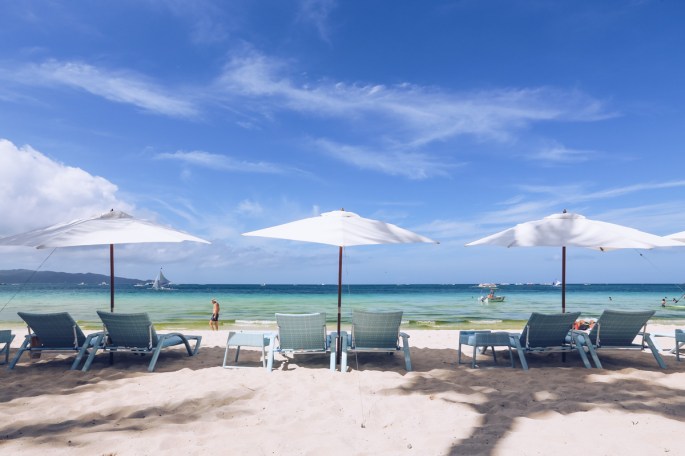
While there are places to stay on other parts of the island, the vast majority of accommodation choices in Boracay are found on White Beach. Split into three different “stations”, hotels and resorts on White Beach come in a wide range of budget levels. Generally, Station 1 is where you’ll find most of the upscale boutique hotels and luxury resorts. The beach is wider here and the sand is softer than anywhere else along White Beach, but those perks come at a high price if you want to stay beachfront.

For more affordable options, you’ll want to head on down to Station 2 or 3. What you’re coming to Boracay for will ultimately determine which of these two stations will suit you best. If you’re here to party and meet other travelers, or you just like to stay as close as possible to all the action, Station 2 will be your best bet. If you’re after a peaceful, relaxing beach holiday, then it’s Station 3 all the way. Station 3 is the quietest area along White Beach, and if could do it all over again, this is where I would stay.

The Philippines Surfing Capital

Siargao: A Surfing Paradise 

siargao surfing

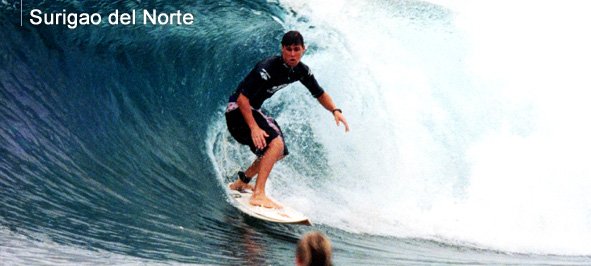
The unspoiled teardrop shaped island called Siargao is a Shangri-la for adventurers and nature lovers. It is the surfing capital of the Philippines. This surfing haven is located 800 kilometers Southeast of Manila. Siargao is now one of the world’s great frontiers for surf exploration. Its most popular break is “Cloud Nine.” Surfing is best from July to November when strong waves are in constant motion. The powerful wave-off “Cloud 9” has been hailed as one of the world’s five toughest breaks and has been frequently compared to the famous surf of Hawaii and Australia. 

Siargao’s “Cloud Nine“, a powerful hollow right hander, featured in “Surf Magazine” as one of the ten best waves in the world. East of Siargao Islands lies the Philippine Deep that rises from over 34,000 ft to a belt of reefs. This Oceanic trench is the reason for the excellent surf in Siargao; because it is so deep and the continental shelf narrow, the waves break with juice straight out of deep water and focus the wave energy straight at the beach. This area is set to become Asia’s next hot surfing destination and is truly one of the worlds’ last great frontiers for surf exploration. 

Siargao Island is Surigao Del Norte’s “last frontier” facing the Pacific Ocean. The island boasts of quite a number of untapped natural resources that tourists marvel. Aside from the white beaches that abound, the seas of Siargao are the fishermen’s choice to catch fish and other marine products. This year, under the administration of Gov. Robert Lyndon Barbers, Siargao’s infrastructure development got the much needed “shot in the arm” with its people seeing and feeling the improvements where during the previous provincial leaderships, “it was only but a dream,” so they said. 

Are you ready for Island Hopping? There are islets where you’ll find fine white sand beaches and crystal clear waters comparable to Boracay Paradise. The three favorites – Guyam, Daku and Naked Island are close to General Luna and can be visited by renting your own banca for only P1,000.00. Traveling around the town makes easier with habal-habal, a motorcycle that can load up to 7 passengers to that will bring you to different destinations in town. 

The Siargao Success Story 

siargao surfing

Back in the early 80’s surf pioneers ventured into this isolated and rugged territory and discovered excellent waves. The surfers were Steve Jones, an Australian and Tony Arroza, a Hispanic-American. Then there was this mysterious tourist by the name of “Max Walker” who settled in a solitary hut on the palm-fringed shores of Tuason Point, Catangnan, within a small distance from a perfect reef break, now popularly known as Cloud Nine. He was probably the first to surf Cloud Nine and was also credited for discovering Grajagan or G-Land surf spot in Java, Indonesia. But this man was acting so strange that former town mayor Jaime Rusillon called him “Mad Max”. Looking back, I remember this strange tourist who starved himself until he died on the 44th day of his fast, which happened to be his birthday. He was buried in Tuason Point, fronting Cloud Nine. Eventually, it was known that he was the legendary Hawaiian surf traveler John Michael “Mike” Boyum who was sought after by Hawaiian authorities for drug trafficking. He escaped and settled in General Luna for its remote location and excellent surf. Only upon Boyum’s death did the former mayor realize that his fans and friends in the surfing world were tracking his treks. Eventually, those who followed Boyum’s Philippine adventure and took pictures that landed in various international magazines blew the tight lid off Siargao. 

* * * * * 

Introduce Yourself (Example Post)

This is an example post, originally published as part of Blogging University. Enroll in one of our ten programs, and start your blog right.

You’re going to publish a post today. Don’t worry about how your blog looks. Don’t worry if you haven’t given it a name yet, or you’re feeling overwhelmed. Just click the “New Post” button, and tell us why you’re here.

Why do this?

  • Because it gives new readers context. What are you about? Why should they read your blog?
  • Because it will help you focus you own ideas about your blog and what you’d like to do with it.

The post can be short or long, a personal intro to your life or a bloggy mission statement, a manifesto for the future or a simple outline of your the types of things you hope to publish.

To help you get started, here are a few questions:

  • Why are you blogging publicly, rather than keeping a personal journal?
  • What topics do you think you’ll write about?
  • Who would you love to connect with via your blog?
  • If you blog successfully throughout the next year, what would you hope to have accomplished?

You’re not locked into any of this; one of the wonderful things about blogs is how they constantly evolve as we learn, grow, and interact with one another — but it’s good to know where and why you started, and articulating your goals may just give you a few other post ideas.

Can’t think how to get started? Just write the first thing that pops into your head. Anne Lamott, author of a book on writing we love, says that you need to give yourself permission to write a “crappy first draft”. Anne makes a great point — just start writing, and worry about editing it later.

When you’re ready to publish, give your post three to five tags that describe your blog’s focus — writing, photography, fiction, parenting, food, cars, movies, sports, whatever. These tags will help others who care about your topics find you in the Reader. Make sure one of the tags is “zerotohero,” so other new bloggers can find you, too.